





JIYUKOKUMINSHA CO.,LTD Bookmark
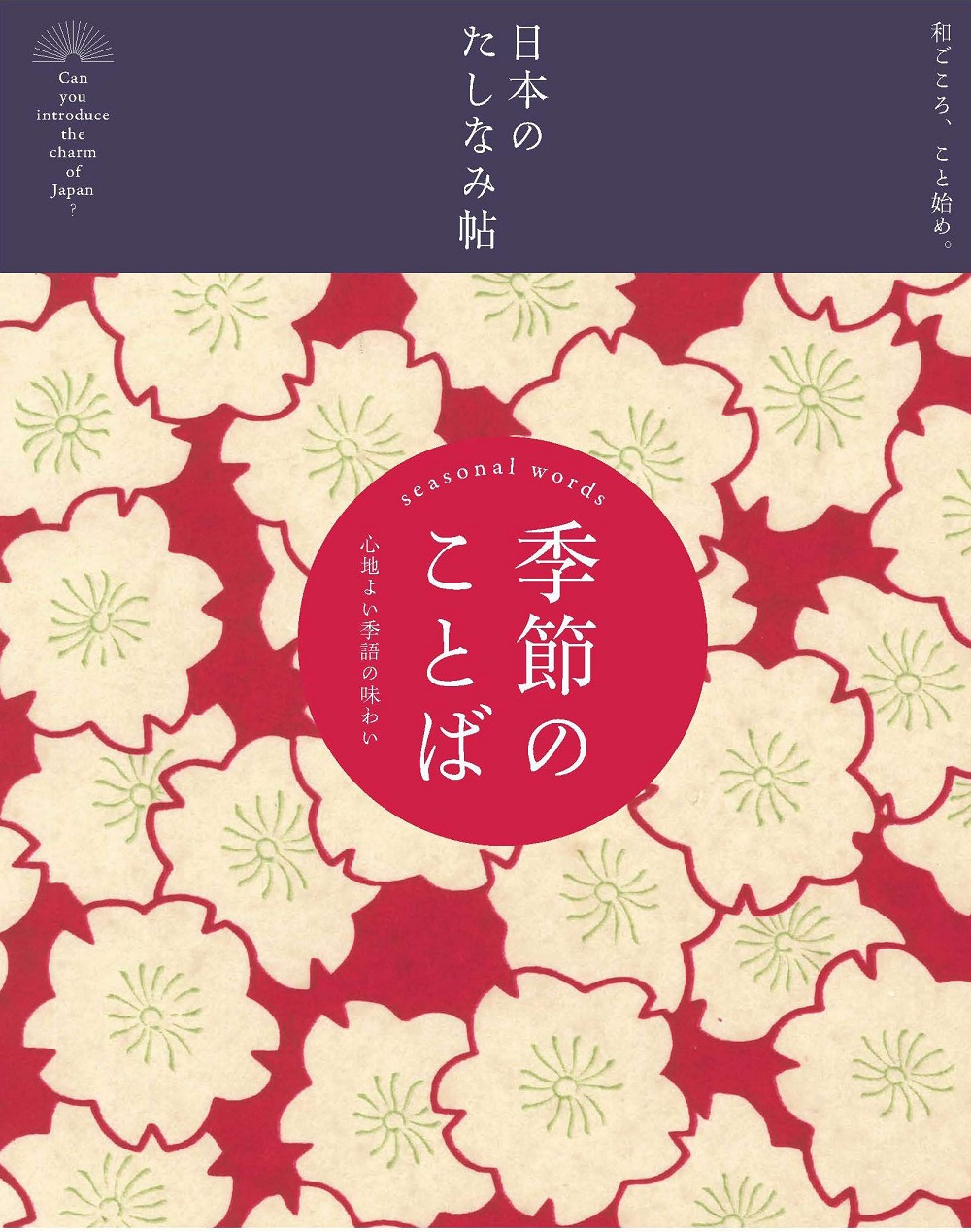
The Art of Japanese Living: Seasonal Words
Information will be available after you log in. Please create an account.
Rights Information
Other Special Conditions
Abstract
Haiku, which captures the feeling of the seasons and deep emotion in just seventeen sounds arranged 5-7-5, has been cherished by many Japanese people since long ago. Today, its appeal is spreading beyond Japan to the rest of the world.
Haiku use kigo, or “season words”: words that evoke a particular time of year. Refined over many centuries, kigo are Japanese words rich in meaning and charm, and they reflect the daily lives of people rooted in Japan’s abundant and beautiful nature.
Chapter 1: Spring
Nodoka (tranquil spring days) / Saekaeru (the return of the cold) / Higan (the equinox week) / Mizu nurumu (waters growing warm) / Neko no koi (cats in love) / Hebi ana o izu (snakes emerging from their holes) / Otoshizuno (shed deer antlers), and more
Chapter 2: Summer
Mijikayo (short summer night) / Nyubai (start of the rainy season) / Mugi no aki (wheat harvest time) / Doyo (the midsummer dog days) / Yudachi (sudden evening shower) / Kumo no mine (towering summer clouds) / Niji (rainbow) / Yuyake (sunset glow) / Aoarashi (summer wind through fresh greenery) / Sekkei (lingering snow in mountain valleys), and more
Chapter 3: Autumn
Sawayaka (crisp, refreshing air) / Mi ni shimu (the chill that pierces the body) / Inazuma (lightning) / Amanogawa (the Milky Way) / Iwashigumo (“sardine” clouds) / Nowaki (autumn gale) / Tsuyu (dew) / Mizu sumu (waters running clear) / Shiranui (mysterious lights on the sea), and more
Chapter 4: Winter
Shimoyo (frosty night) / Sayu (piercing cold) / Shigure (passing winter showers) / Mogaribue (the wind whistling through fences) / Kogarashi (cold winter wind) / Kitsunebi (foxfire) / Tori no ichi (the Rooster Day fair) / Yuzuyu (citron bath) / Kaeribana (out-of-season blossoms) / Suisen (narcissus), and more
Chapter 5: New Year
Matsu no uchi (the New Year pine-decoration days) / Wakamizu (the first water drawn on New Year’s morning) / Hatsuzora (the first sky of the year) / Hatsugeshiki (the first landscape of the year) / Toso (spiced New Year sake) / Nanakusa (the seven herbs) / Yome ga kimi (the mouse, a New Year euphemism) / Hatsugarasu (the first crow of the year), and more
Author’s Information
---
| Series/Label | The Art of Japanese Living |
|---|---|
| Released Date | Feb 2015 |
| Price | ¥1,300 |
| Size | 148mm×210mm |
| Total Page Number | 136 pages |
| Color Page Number | --- |
| ISBN | 9784426119102 |
| Genre | Nonfiction / Humanities > Culture/Religion |
| Visualization experience | NO |